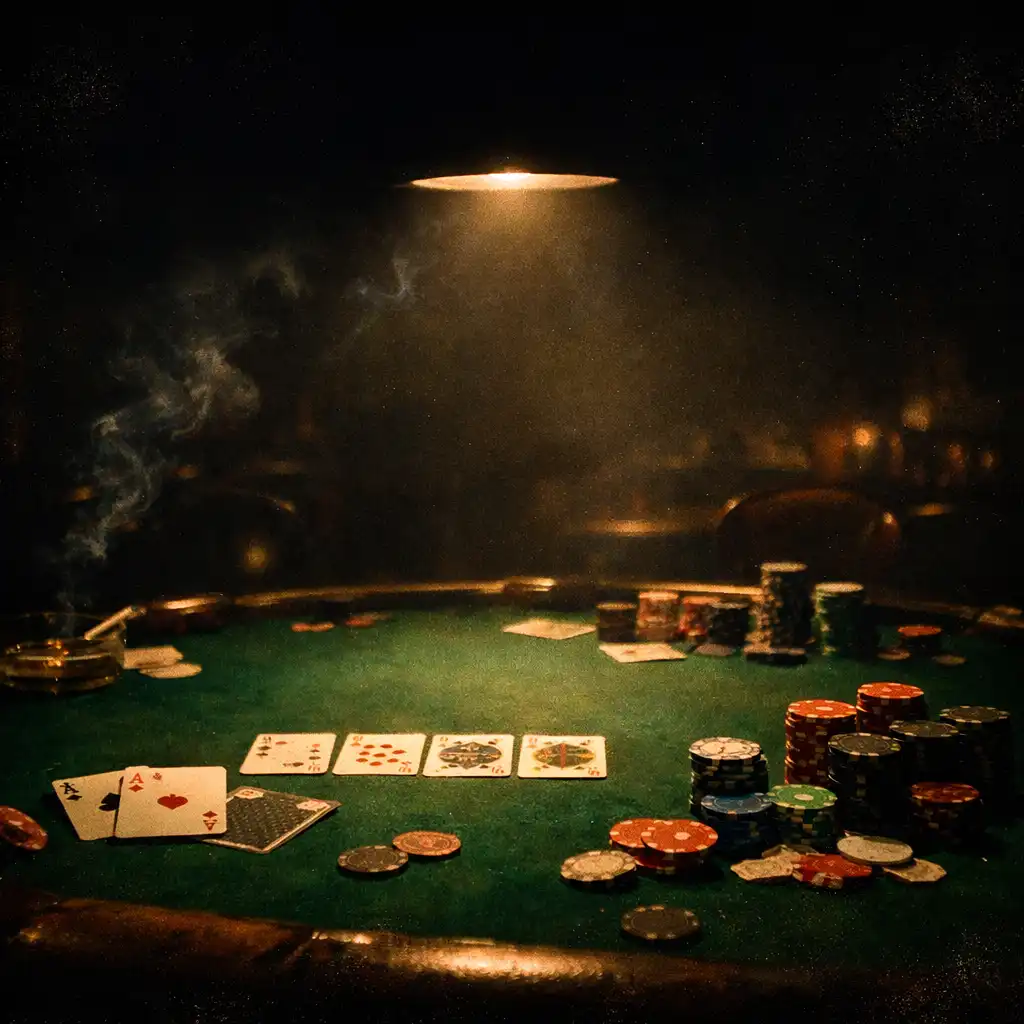
A dramatic poker table in a dimly lit casino, with cards and chips under a single overhead light

Casino Royale: Why the Poker Table Became the Film's Real Battlefield

In Casino Royale, the poker game is not a pause between action sequences; it is the film's central conflict, where Bond's emotional and psychological vulnerabilities are laid bare. The scene transforms a card game into a high-stakes duel of wits and nerve.

By the Film Review Space editors · 12 min read

Read the full story

The Final Hand in Rounders

The climactic poker hand in Rounders is a masterclass in suspense. Through careful editing, sound design, and performance, the scene transforms a card game into a life-or-death struggle. The scene uses extreme close-ups of cards and faces to build tension, and the sound design emphasizes the quiet before the reveal. The outcome hinges on a subtle 'tell' that the audience may have missed, and the scene's resolution redefines the protagonist's relationship with risk.

“The final hand is not about the cards. It is about who is willing to lose everything.”

Read the full breakdown
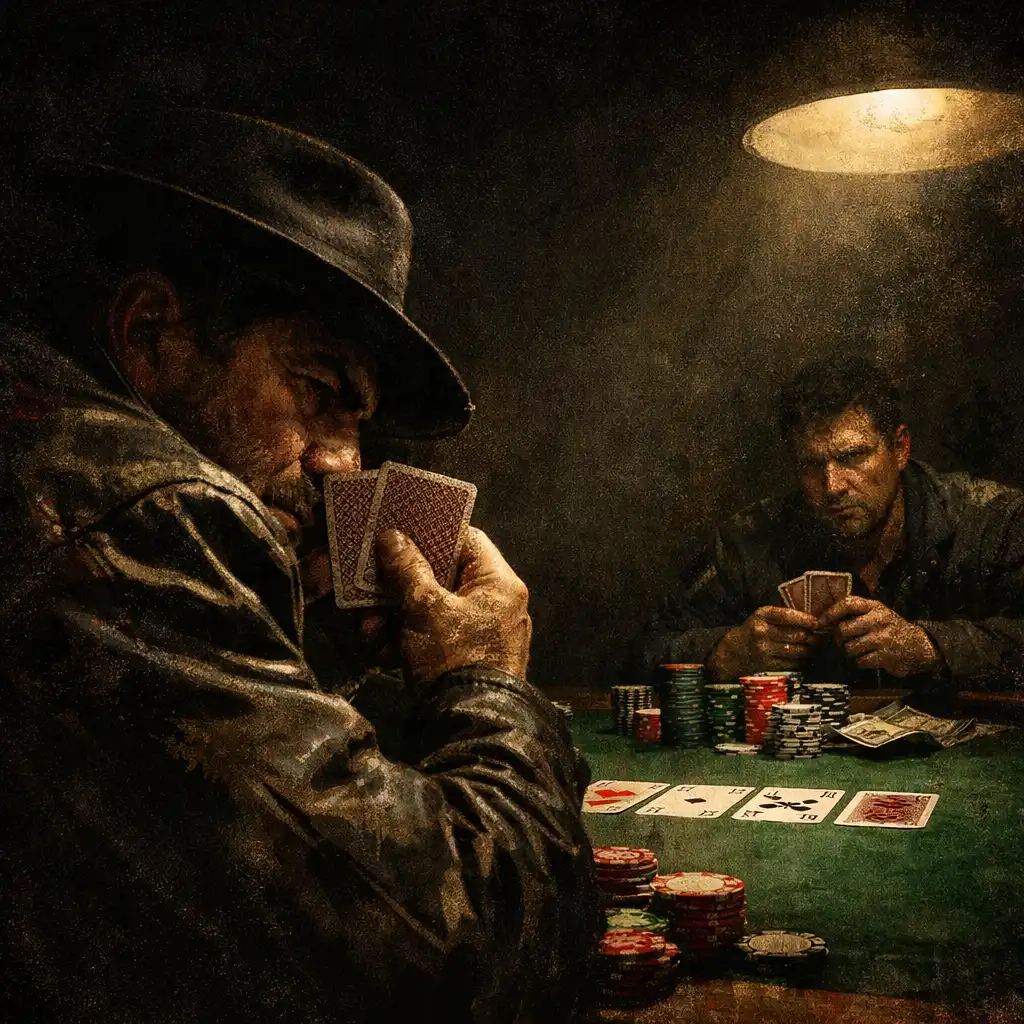
A tense moment at a poker table seen from a low angle, two players facing each other under a spotlight

Le Chiffre: The Villain as Banker

A portrait of a stern man in a dark suit, with strong side lighting and a blurred casino background

In Casino Royale, Le Chiffre is not a typical Bond villain. He is a financier, a man of numbers and calculated risk, whose desperation makes him both pathetic and terrifying. Le Chiffre's physical vulnerability, the weeping blood, humanizes him, while his motivation is financial survival, not world domination. Mads Mikkelsen's performance brings a cold intensity to the role, and the character reflects anxieties about global finance and terrorism.

Read the full character study
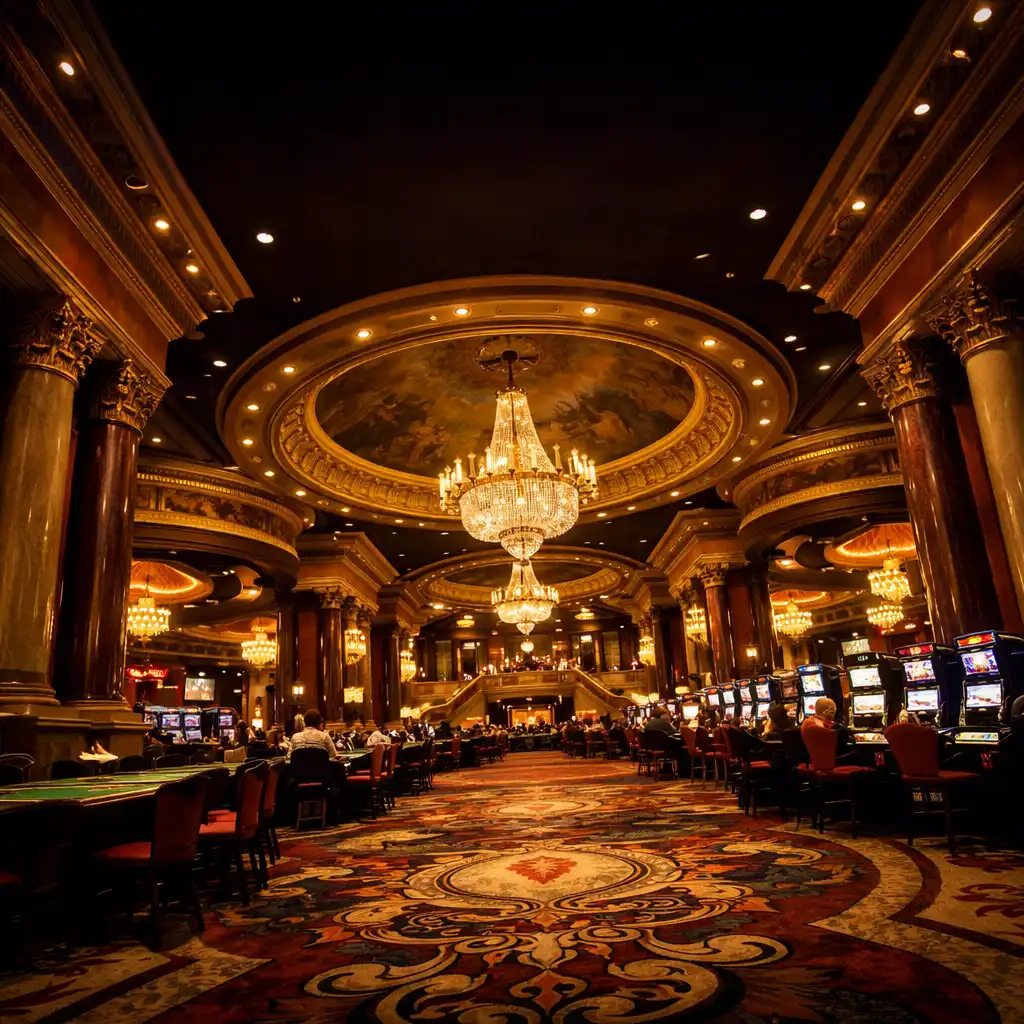
A wide shot of a casino floor with rows of slot machines and tables, bright and colorful but artificial

The House Always Wins: Capitalism and the Casino Film

Casino films often serve as allegories for capitalism, depicting the allure and destructiveness of unchecked greed. From The Sting to Uncut Gems, the casino becomes a microcosm of economic anxiety. The Sting presents a world of con artists where trust is a commodity, while Uncut Gems uses gambling addiction as a metaphor for late-stage capitalism. The house edge mirrors the structural advantages of the wealthy, and these films critique the American Dream by exposing its dark underbelly.

Read the full essay

The Art of the Slow Roll

The slow roll—deliberately delaying the reveal of a winning hand—is a cinematic device used to heighten tension and reveal character. Films like Rounders and Maverick use it to great effect. In Rounders, the slow roll is used to humiliate an opponent, while Maverick plays it for comedy. The technique can signal arrogance or psychological warfare.

Read the full article
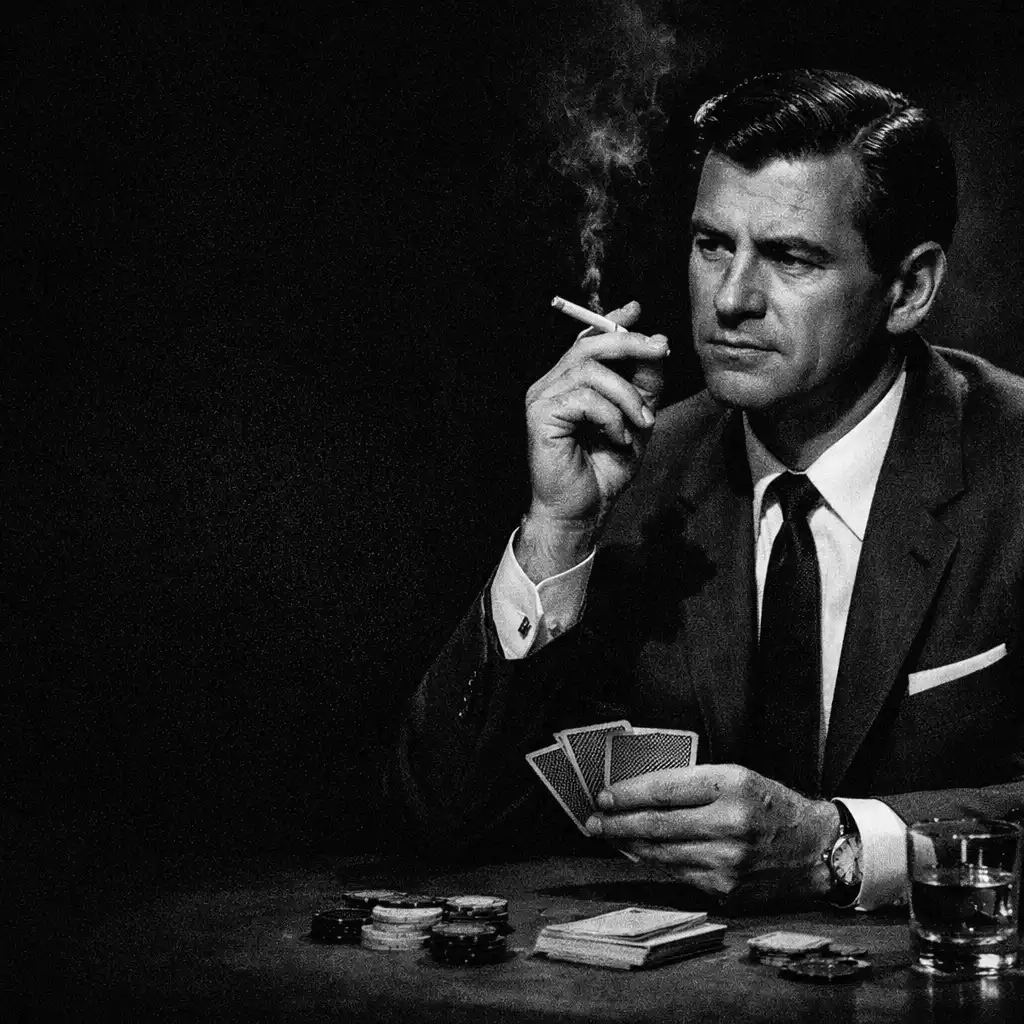
A black-and-white image of a man in a 1960s suit sitting at a card table with a cigarette

The Cincinnati Kid: A Study in Cool

Norman Jewison's 1965 film The Cincinnati Kid remains a benchmark for poker cinema. Steve McQueen's stoic performance and the film's stylish direction make it a timeless classic. The film's climactic poker game is a masterclass in editing and suspense, and McQueen's character embodies a cool, existential hero. The film's themes of ambition and failure resonate today.

Read from the archive

Why We Keep Returning to the Casino Film

Editor's note: This essay explores the enduring appeal of casino films, arguing that they offer a unique lens on risk, morality, and the human condition. It is a personal favorite. The essay draws on examples from the 1940s to the present and argues that casino films are modern morality plays. The piece is both analytical and personal.

Read the editor's pick